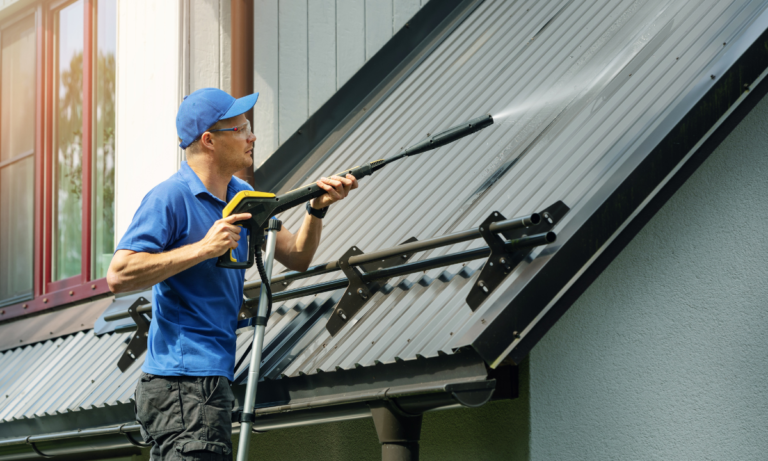
If you are thinking about starting, growing, or selling a roofing company, one question comes up first: is a roofing business profitable?
The short answer is yes, it can be. But roofing is not a business where high sales automatically mean high profit. Labour, materials, insurance, vehicles, rework, lead costs, weather, and poor job estimates can quickly reduce what you keep.
This guide looks at the numbers behind a roofing business, what owners can earn, how buyers value a company, and what you can do to make your business worth more.
What Is a Roofing Business?
A roofing business sells roof repair, replacement, maintenance, inspection, restoration, or installation services. Some firms focus on homes. Others work on commercial roofs, new builds, or storm and insurance work.
The business model is simple: win qualified jobs, price them correctly, complete them well, collect payment, and keep enough margin after all costs.
The hard part is doing that month after month.
So, Is Roofing a Good Business?
For the right operator, roofing can be a strong trade business. Demand comes from roof age, leaks, storm damage, property sales, building work, and routine maintenance. A good company can also build repeat work through property managers, builders, landlords, and commercial clients.
The catch is that roofing has real operating risk. A job that looks profitable on paper can lose money when labour runs over, material prices rise, a crew has to return, or a sales lead costs too much.
That is why the better question is not only, “is a roofing business profitable?” It is, “can I build a roofing business with reliable profit and a steady flow of good leads?”
How Much Does a Roofing Business Make?
There is no single answer. Revenue depends on location, crew size, service mix, average job value, season, and sales volume.
For a useful benchmark, current roofing business listings on BizBuySell show a median reported revenue of about $1.75 million and median seller’s discretionary earnings of about $302,000. The same dataset shows a median asking price of $850,000. These are listing figures, not a promise of what every company earns or sells for.
That data suggests why owner income can vary so much. A small owner-operated repair firm may produce a modest income, while a well-run company with several crews can produce much higher sales and owner earnings.
How Much Do Roofing Business Owners Make?
Owner income can include salary, profit, and other benefits. In the US listing data above, median seller’s discretionary earnings were about $301,770. That figure should not be treated as a standard roofing owner salary. It is a measure used in business sales to show cash flow available to an owner.
Your own number depends on what the business pays you, how much work you do yourself, and how much profit remains after normal operating costs.
A simple way to check your position is:
Owner cash flow = gross profit – overhead – owner replacement costs + valid add-backs
Do not count personal spending as business profit just because it appears in your accounts. A buyer will review the books closely.
What Makes a Roofing Business Profitable?
1. Accurate Job Estimates
Underpricing is one of the fastest ways to lose money. Your estimate needs to cover labour, materials, waste, equipment, permits, disposal, subcontractors, warranty risk, overhead, and profit.
2. Good Lead Quality
More leads do not always mean more money. Ten strong enquiries from people who need a roof can be worth more than 100 low-quality clicks.
3. Strong Close Rates
A lead becomes useful when your team turns it into a booked inspection and then a signed job. Track every stage.
4. Tight Job Control
Watch labour hours, material use, change orders, callbacks, and delays. Small leaks in job control can become large losses at scale.
5. A Clear Service Mix
Repairs can create quick cash flow. Replacements can create larger job values. Maintenance can support repeat business. Commercial work may add larger contracts but often has longer sales cycles.
6. A Business That Does Not Rely on the Owner
If every quote, customer call, supplier order, and crew decision needs you, the business is harder to scale and harder to sell.
A Simple Roofing Profit Chart
The exact mix differs by company, but this framework can help you read your numbers:
| Financial area | Planning range |
| Revenue | 100% |
| Direct job costs | -60% to -70% |
| Gross profit | 30% to 40% |
| Overhead | -15% to -25% |
| Operating profit | 5% to 20% |
These are planning ranges, not industry rules. Your actual margin can be much higher or lower. Use your own financial statements to find the real number.
Is Roofing a Good Business to Start?
It can be, if you have trade skills, reliable crews, good estimating discipline, and a plan to generate leads. You also need to understand local licensing, insurance, safety, tax, and contract rules.
Starting with a clear niche can help. You might focus on residential replacements, roof repairs, metal roofing, commercial maintenance, or storm restoration. A narrow offer can make sales and marketing easier.
The biggest mistake is starting with crews before building a repeatable way to win profitable jobs.
How Many Roofing Businesses Are in the US?
The answer changes based on how a source defines a roofing business. Government industry codes, trade groups, directories, and business databases can count different firms.
That means you should be careful with claims such as “there are exactly X roofing companies in America.” A more useful question for a new owner is: how many qualified competitors serve my target area, and how much demand is available?
Local search visibility matters here. If customers cannot find your company when they need a roofer, a strong crew may still sit idle.
How to Increase Roofing Business Value
A profitable company is valuable. A predictable company is often worth more.
If you want to know how to increase roofing business value, focus on these areas:
- Keep clean profit and loss records.
- Show three years of consistent financial results.
- Reduce owner dependence.
- Keep good reviews and a strong local reputation.
- Build a clean customer database.
- Track lead source, cost, close rate, and job value.
- Keep contracts, licences, insurance, and supplier records organised.
- Create simple systems for sales, estimating, production, and customer care.
- Build a mix of customers instead of relying on one large account.
- Protect your brand, website, phone numbers, domain, and customer data.
Your website is part of this system. It should make it easy for a homeowner or property manager to understand your services, trust your company, and request an estimate.
How to Value a Roofing Business
If you are asking how to value a roofing business, start with earnings, not revenue alone.
A common small-business method is to apply a multiple to the seller’s discretionary earnings or another normalised earnings measure. Current BizBuySell roofing listings show reported asking-price earnings multiples ranging from about 2.1x to 3.8x, with a median close to 3.0x. The same source shows revenue multiples from about 0.37x to 0.81x. These are asking-price benchmarks from listed businesses, not guaranteed sale prices.
For example, if normalised owner earnings were $300,000 and a buyer accepted a 3x multiple, the rough value would be $900,000.
But a buyer may pay less for a company with weak books, high owner dependence, poor reviews, unstable leads, or customer concentration. A company with clean records, stable earnings, strong systems, and a good sales pipeline may attract more interest.
What Is My Roofing Business Worth?
There is no honest way to answer that from revenue alone.
To estimate what your roofing business is worth, collect:
- Last three years of revenue
- Gross profit
- Net profit
- Seller’s discretionary earnings
- Owner salary and benefits
- Equipment and vehicles
- Debts and liabilities
- Customer concentration
- Lead sources
- Close rate
- Average job value
- Recurring or repeat work
- Reviews and reputation
- Systems and staff structure
Then compare your results with recent market evidence and get professional advice before setting an asking price.
How to Sell My Roofing Business
If you are asking how do I sell my roofing business, prepare before you announce it.
Start by cleaning up your accounts. Remove unclear expenses, document owner add-backs, and make sure your tax and financial records match.
Next, build a buyer-ready file. Include financial statements, customer and job data, supplier details, staff information, contracts, licences, insurance records, equipment lists, website assets, phone numbers, domains, and marketing data.
Then decide whether you will sell privately or use a business broker. A broker can help with buyer screening, valuation, negotiation, and deal terms, but fees vary.
Do not wait until you want to retire. A business is easier to sell when sales and profits are stable.

A Lead Pipeline Can Affect Sale Value Too
Buyers are not only buying past jobs. They are buying the chance to earn future cash flow.
That makes lead generation part of business value.
A roofing company with strong organic search visibility, a useful website, a clean Google Business Profile, good reviews, tracked calls, and steady enquiry volume has a clearer path to future sales.
This is where Roofing Web Marketing fits into the wider picture. We help roofing companies build websites and lead systems designed to turn searches into real roofing enquiries. The goal is not more traffic for its own sake. The goal is a healthier pipeline of people who need roofing work.
10 Frequently Asked Questions
1. Is a roofing business profitable?
Yes. Most roofing businesses net between 5% and 15% profit after overhead, with well run operations at the higher end of that range.
2. Is roofing a good business to start?
Yes, since demand for repairs and replacements stays steady, though margins are tighter than many new owners expect due to material and labor costs.
3. What is a roofing business, exactly?
A roofing business installs, repairs, or replaces roofing systems for homeowners or commercial property owners, usually earning revenue per completed job.
4. How many roofing businesses in the US?
There are roughly 100,000 to 109,000 active roofing contractor businesses currently operating in the US.
5. How much do roofing business owners make, and how much does a roofing business owner make in total per year?
It varies widely, but net profit per job is often under $1,500 on a typical $12,000 residential job, with total owner income depending on job volume and crew size, often landing in the low to mid six figures for an established solo operator.
6. How much does a roofing business make in total revenue?
This depends heavily on crew size and market, ranging from a few hundred thousand dollars a year for a solo operator to several million for a multi-crew regional company.
7. How do I value a roofing business?
Smaller, owner operated roofing businesses are usually valued at 1.5x to 3.5x seller’s discretionary earnings, while larger companies with management teams are valued on EBITDA, often 3x to 6x.
8. How do I increase my roofing business value before selling?
Diversify revenue sources, reduce how much the business depends on you personally, clean up your financial records, and build a stronger local online presence.
9. How do I sell my roofing business?
Get a realistic valuation based on your SDE or EBITDA, then work with a business broker or approach buyers directly, ideally after twelve to twenty four months of preparation.
10. What is my roofing business worth if I want to sell soon?
A rough estimate multiplies your SDE or EBITDA by the appropriate industry multiple, but a proper valuation should account for revenue mix, owner dependence, and financial documentation.
Final Takeaway
So, is a roofing business profitable?
Yes, but profit is built through good estimates, controlled costs, skilled crews, strong customer service, and a reliable flow of qualified roofing leads. If you own a roofing company, do not look only at this month’s sales. Look at profit, lead quality, conversion rates, customer value, systems, and how much the business could be worth to someone else.
A strong roofing business should not only make money today. It should be easier to run, easier to grow, and easier to sell tomorrow. If your next goal is to bring in more qualified roofing leads, visit Roofing Web Marketing and explore how a better roofing website design and lead strategy can support your growth.